
The aircraft
Drako
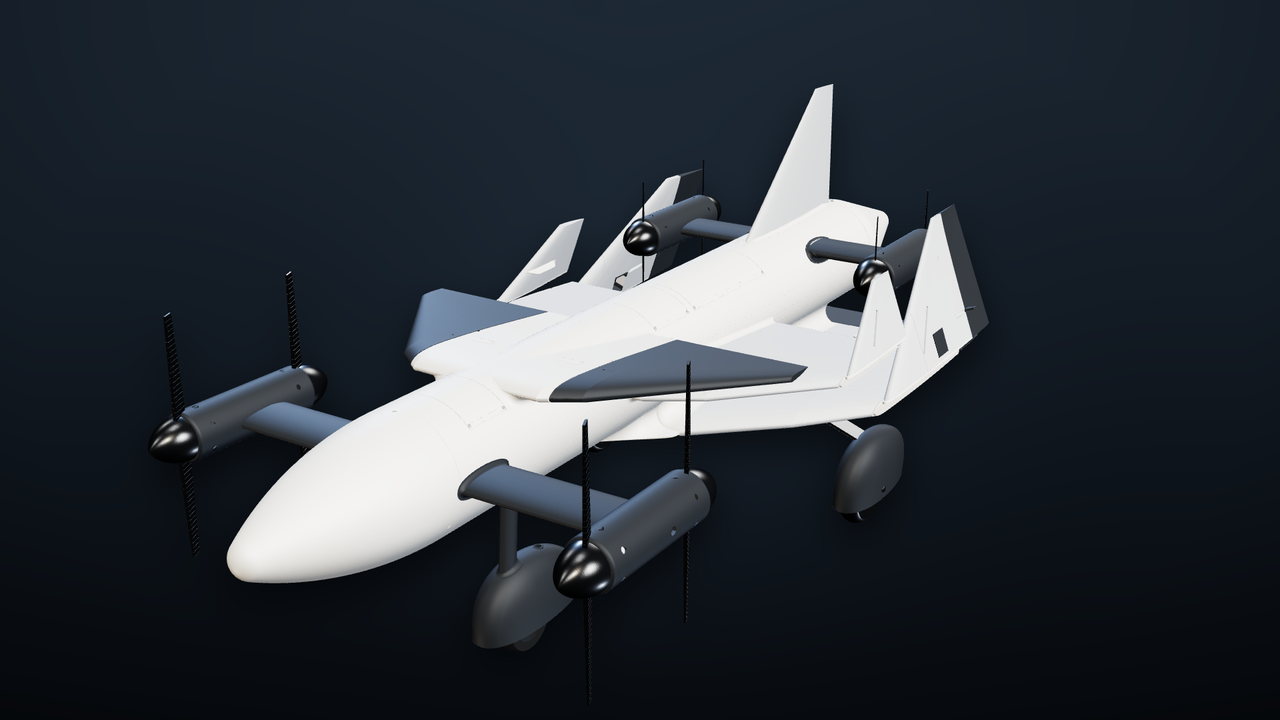
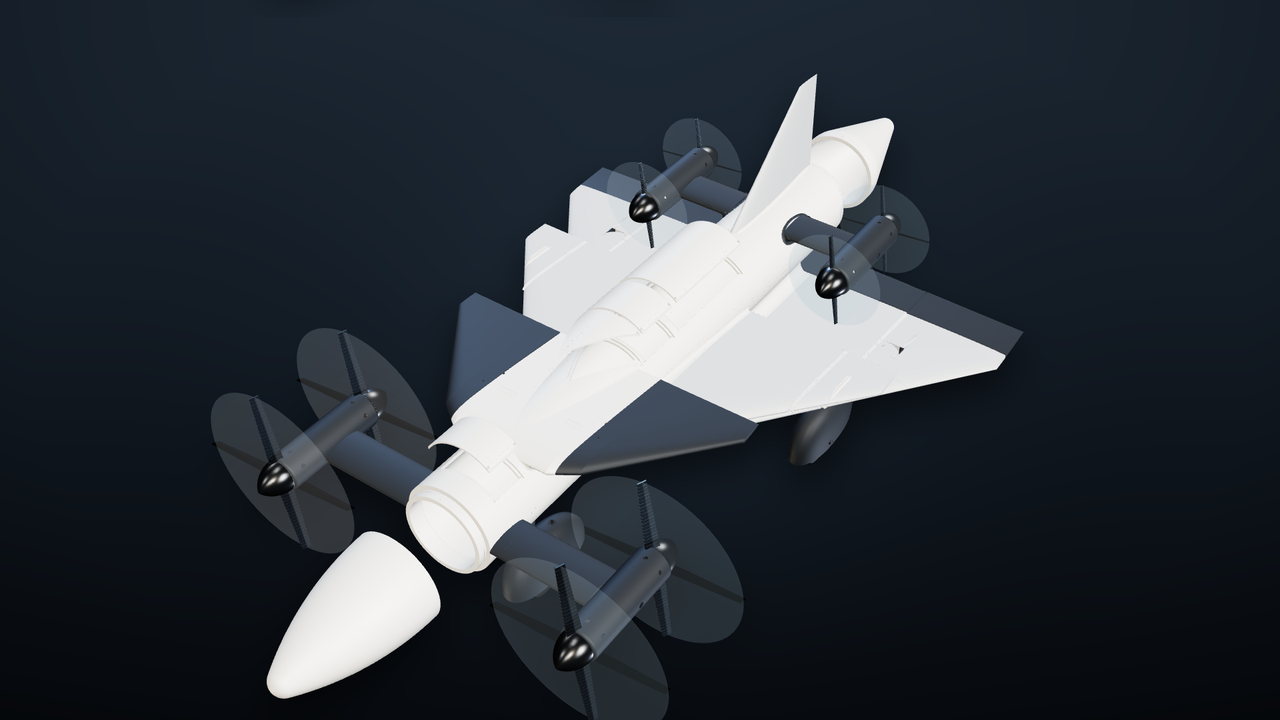
A full-electric canard delta. Four tilting coaxial pods, folding wings, wheels or floats, and a thermal sense-and-avoid system that watches the sky.
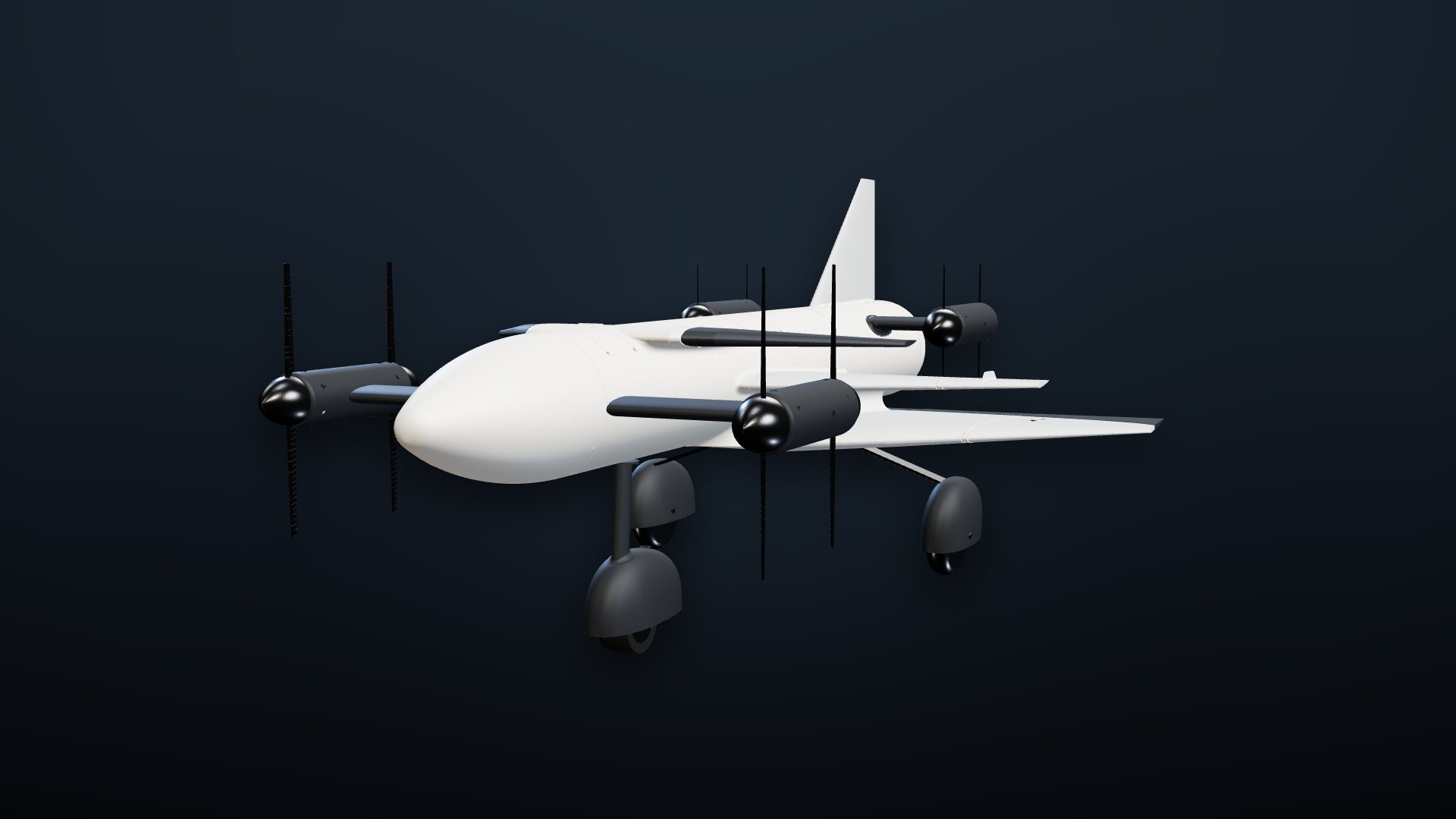
A full-electric canard delta. Four tilting coaxial pods, folding wings, wheels or floats, and a thermal sense-and-avoid system that watches the sky.
Drako starts from a question most programmes avoid: what if the aircraft did not have to be the best at any single thing? A pure VTOL machine pays for its hover in cruise. A pure runway aircraft needs a runway. A pure seaplane is a seaplane. Drako is designed to be top tier at all of them and to move between them in minutes at the field.
The answer is a canard delta — a layout with a long history of stable, roomy, efficient airframes — carried on four coaxial propulsion pods that tilt as a set. With the pods tilted and the full-span flap down, the aircraft leaves and returns from a short strip, or from water on its floats. With the pods aligned and the flap up, it is a clean delta in cruise.
All-moving canards ahead of a delta main wing with a single full-span slotted flap and outboard elevons. The outer panels fold for transport.
Fully electric. Each pod carries a contra-rotating pair on a pylon; the pods tilt for short and vertical-assisted take-off and landing.
A fully 3D-printed airframe on a carbon composite spine, with kit foam wing panels. Detachable nose and tail; top service bays with lids.
A steered nose wheel with a hub motor taxis the aircraft under its own power. The wheels swap for twin floats for the amphibious role.
An onboard thermal camera and an AI flyer detector on video give the aircraft a sense-and-avoid picture of what shares its sky.
Every part comes from one engineering recipe with automated clearance, fit and structural proofs on every build — the reason the design moves fast.
All images are rendered from the current engineering build of the aircraft — the same geometry the demonstrator is printed from. Nothing is illustrative.
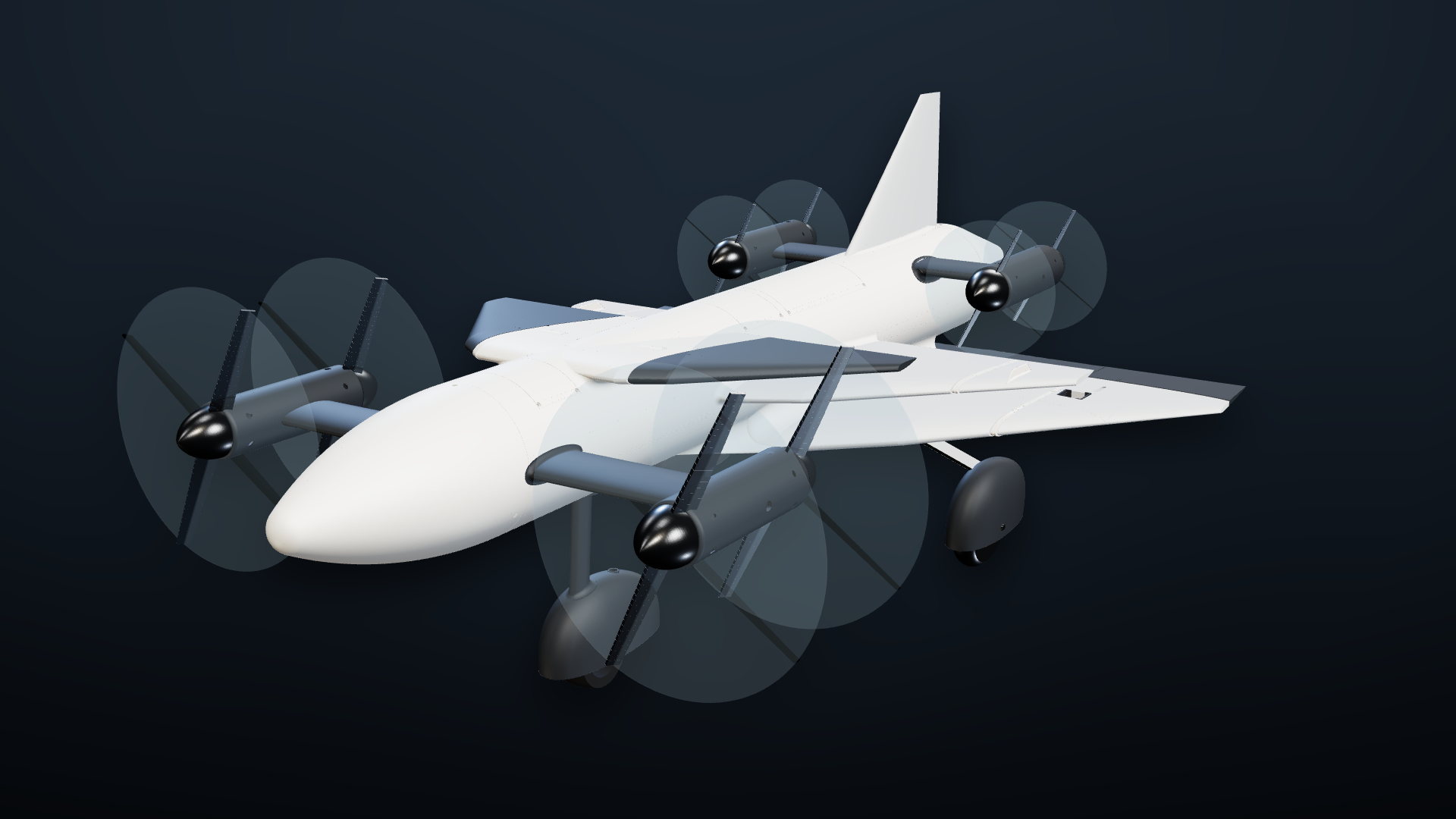
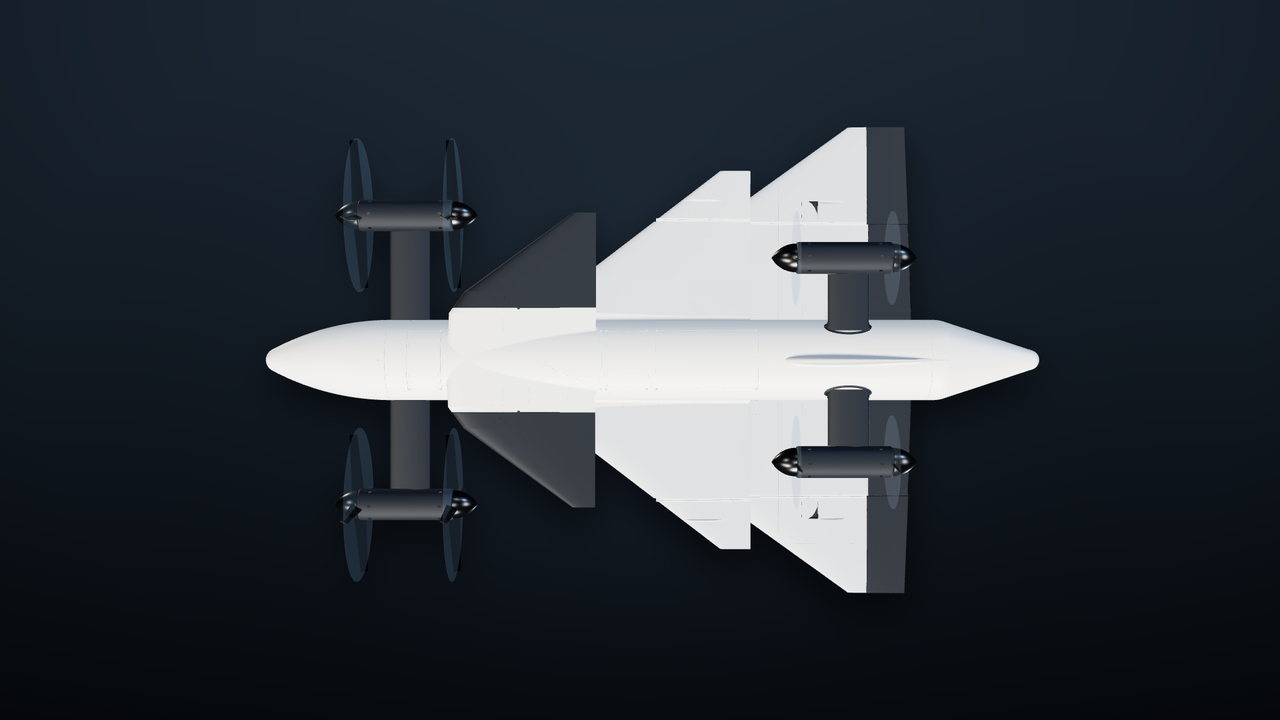
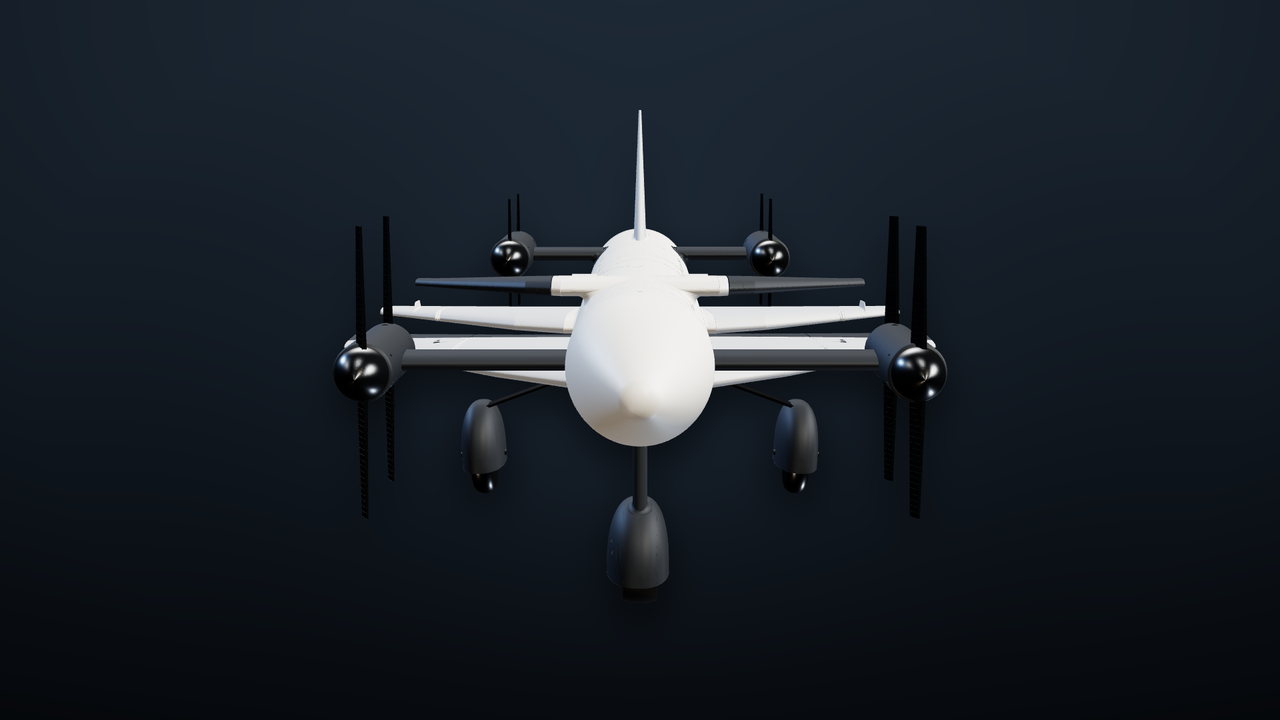
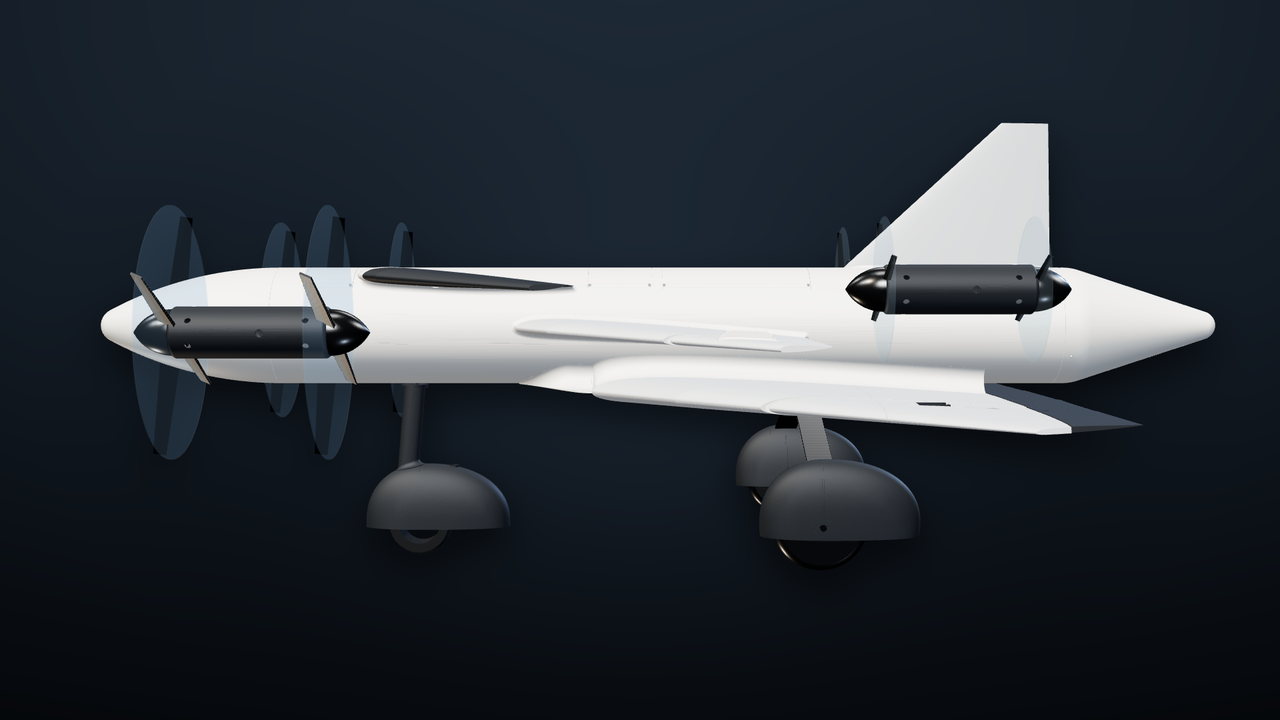
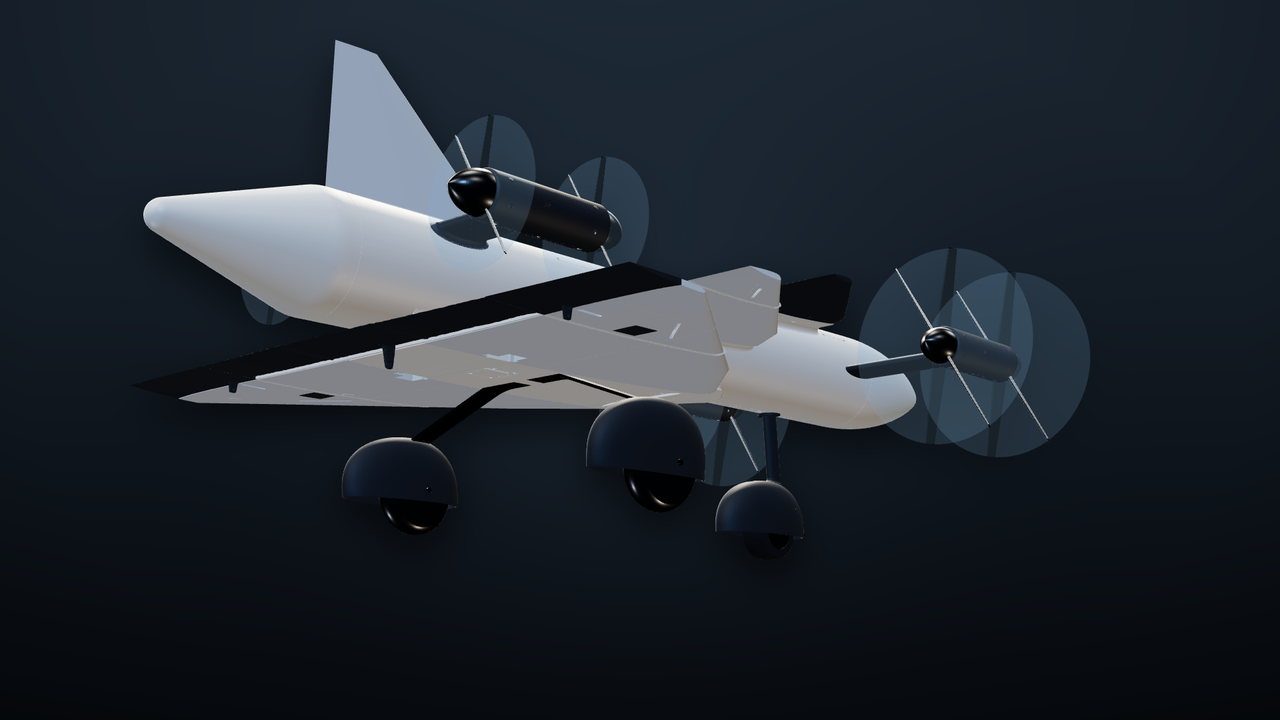
One airframe, several roles. The change between them is made at the field, by hand, with a small number of parts.
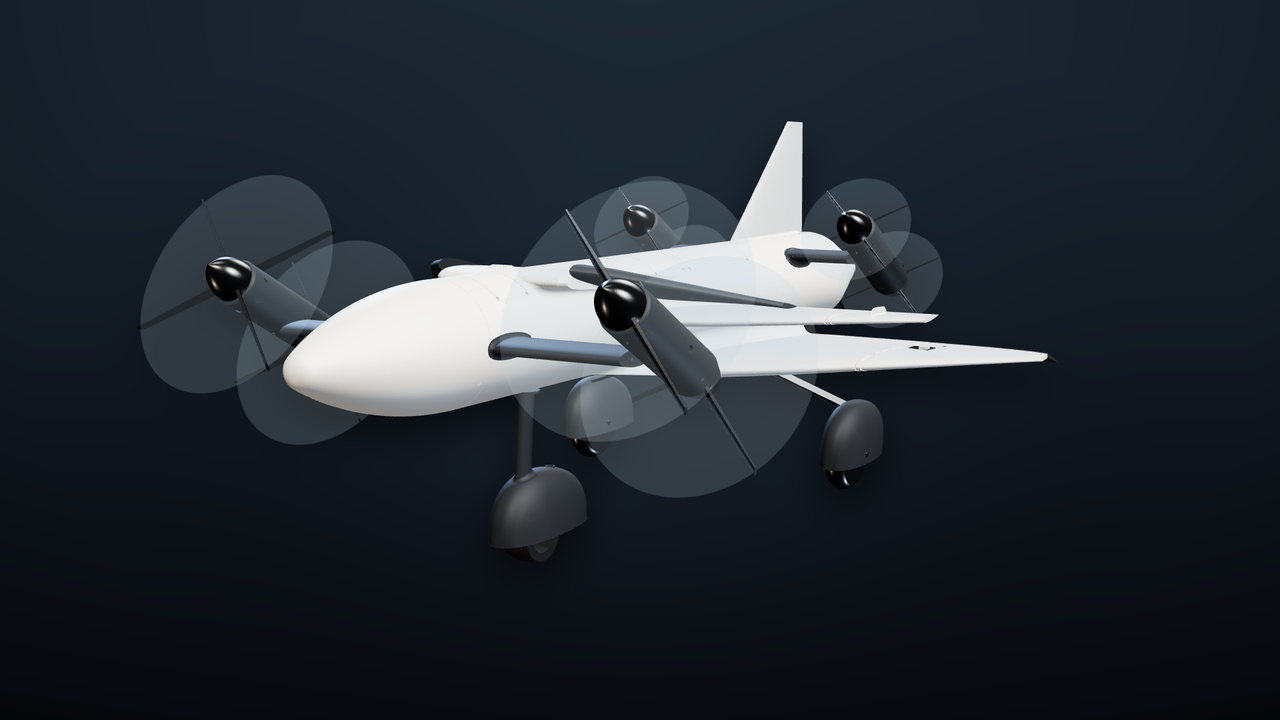
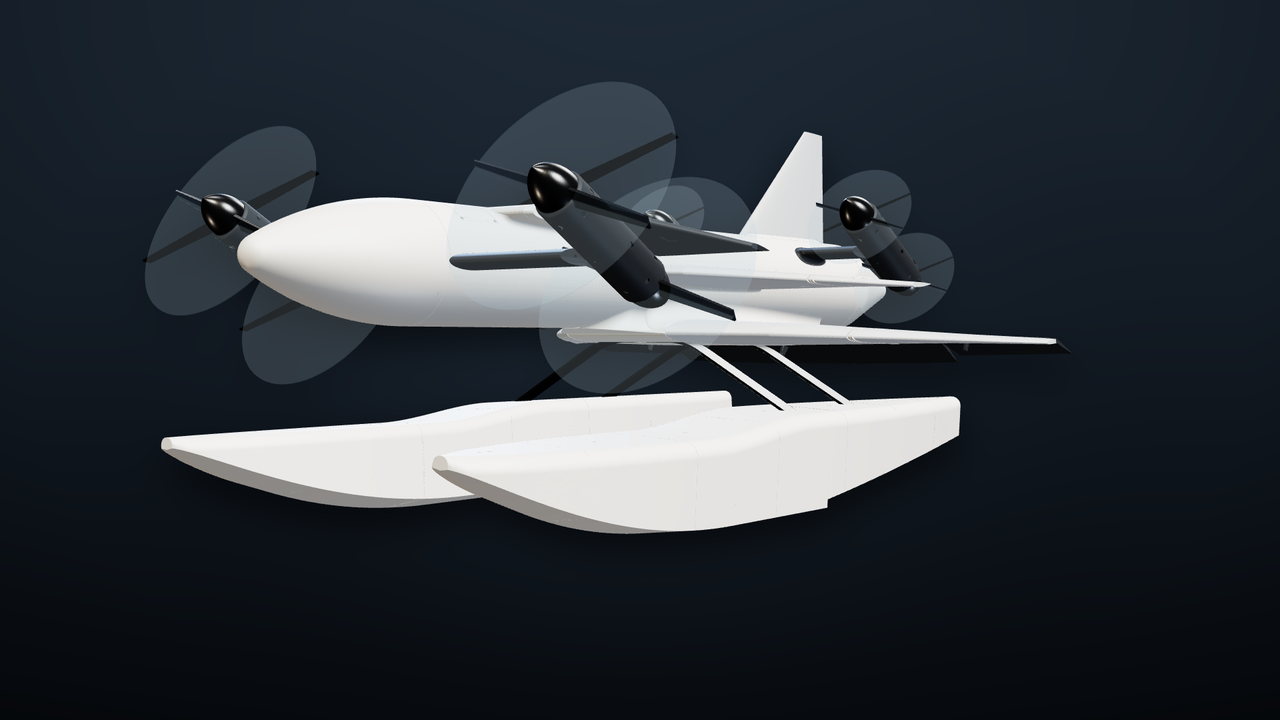
Drako carries a thermal camera and an AI detector trained to find flyers — birds, other aircraft, drones — in the video, day or night, against sky or terrain. It is a sense-and-avoid picture for the aircraft and for the people responsible for it on the ground.
Detection is done on the video stream itself. The clip shows the detector's output on test-bed footage: the box is the machine's call, not a human annotation.
Drako's figures are not published. A full data pack is available under NDA to qualified partners, investors and operators, together with access to the live 3D programme view in the partner portal.